Progressive Bulgaria and the Paradox of Power
Has stability finally come to Bulgaria? It appeared that it might have on 19 April 2026.
The AfD Won Two State Elections. What’s Next?
Despite polling success and victories in Saxony-Anhalt and Mecklenburg-Western Pomerania, the AfD will find it difficult to participate in future state – and federal – governments.
Can UK-French Nuclear Cooperation Substitute for US Extended Deterrence?
Washington’s 2026 National Defence Strategy rests conspicuously silent on the future of its nuclear umbrella over Europe. Growing Anglo-French cooperation is being framed as the continent’s most plausible fallback, though its doctrinal limits mean it still falls short of a genuine substitute.
Ireland’s Balancing Act on Russia, Big Tech, and the Limits of EU Neutrality
The rotating presidency of the Council of the EU is designed to serve the collective interest of the Union. Ireland’s six months in the chair may prove the design leaves room to defect.
Resilience Building Against Hybrid Threats: A Baltic Self-Help Guide
With NATO losing reliability, and in spite of Europe’s promises to step up security, should we be concerned about Baltic hybrid resilience, or should we learn from it? Here is what we know so far.
Good Italian, Evil German: Two Fascist Pasts, Two Far-Right Futures
Two far-right parties, but two very different political situations. What does history have to do with it?
Italy’s Border Controls Over the Ceuta Crisis: A Familiar Tool, an Unfamiliar Storm
A migrant crisis in Ceuta. A border closure with no shared border. A word, “suspension,” that is hardly legally possible. Untangling Europe’s strangest border story of the summer.
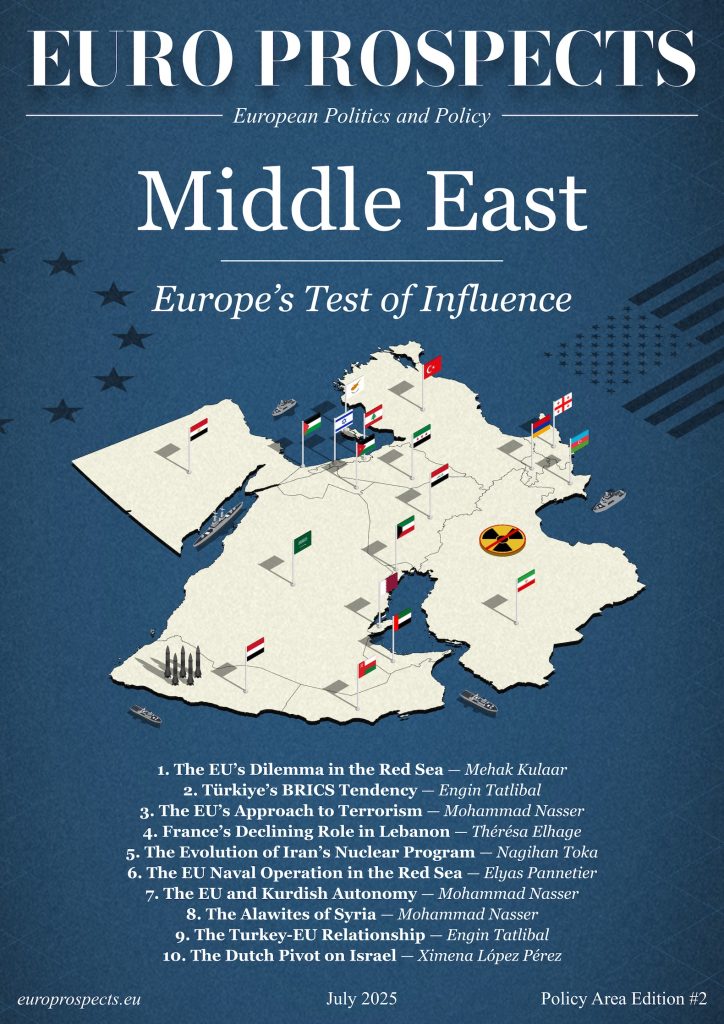
Between Paris and Washington: Lebanon’s Competing Security Patrons
While France retains a historical basis in its role as the main security guarantor for Mount Lebanon’s Christians, recent U.S. foreign policy strides in Lebanon have evidently challenged France’s capacity in its traditional role.
What Would It Take For Europe To Become a Global Geopolitical Power?
What would it take for Europe to become a truly autonomous actor on the world stage? What should be the relationship between the EU and its member states? How could national governments improve the interoperability of their defence forces? And where will Europe find the necessary resources and energy supplies to power its industrial engine?
Towards A Coordinated Framework Out of Europe’s Gas Dependency
Europe’s grid system cannot function without gas-fired plants that are becoming commercially unviable. Having shifted from Russian pipelines to diversified LNG supply, the EU now faces a deep gas dependency — one it has built into its own grid architecture.
Europe’s Energy Lifeline: Where Does the Continent Go for Fossil Fuels?
Europe needs fossil fuels. The question then is where, and from whom, Europe will get them.
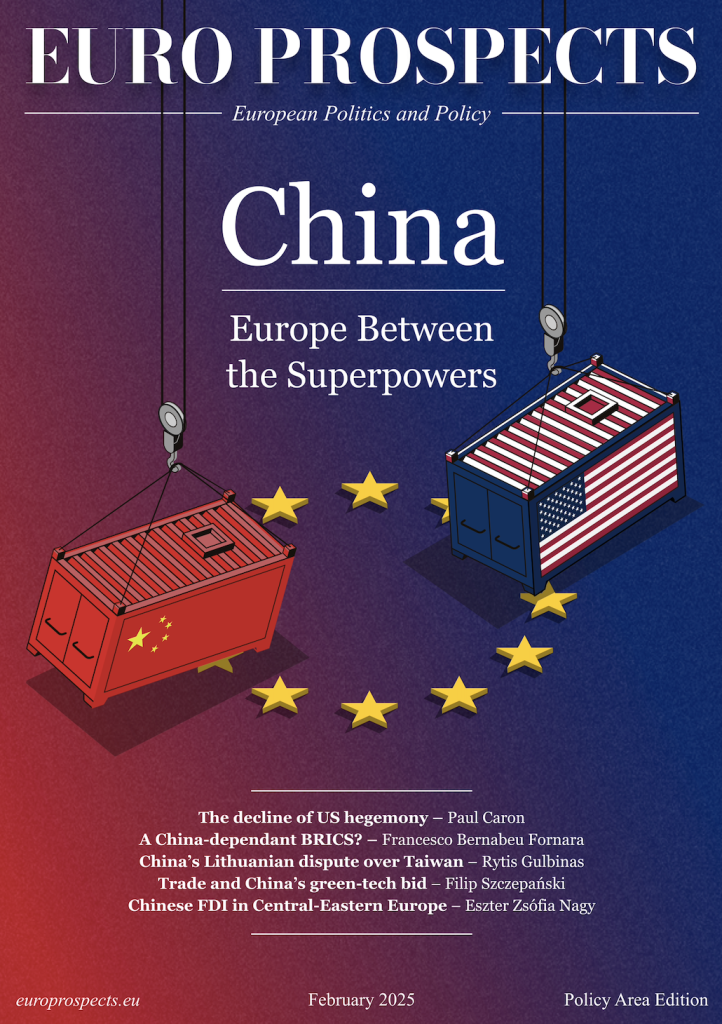
After 50 Years of Trade, Europe Has Learnt to Manage Its Expectations of China
For fifty years, Europe pursued China with the conviction that trade would beget liberalisation; the last decade has been the slow, costly process of revising that assumption.