8 min read — Trump | United States | Ukraine | Russia
Trump’s First-Year Misjudgement of Russia’s Intentions
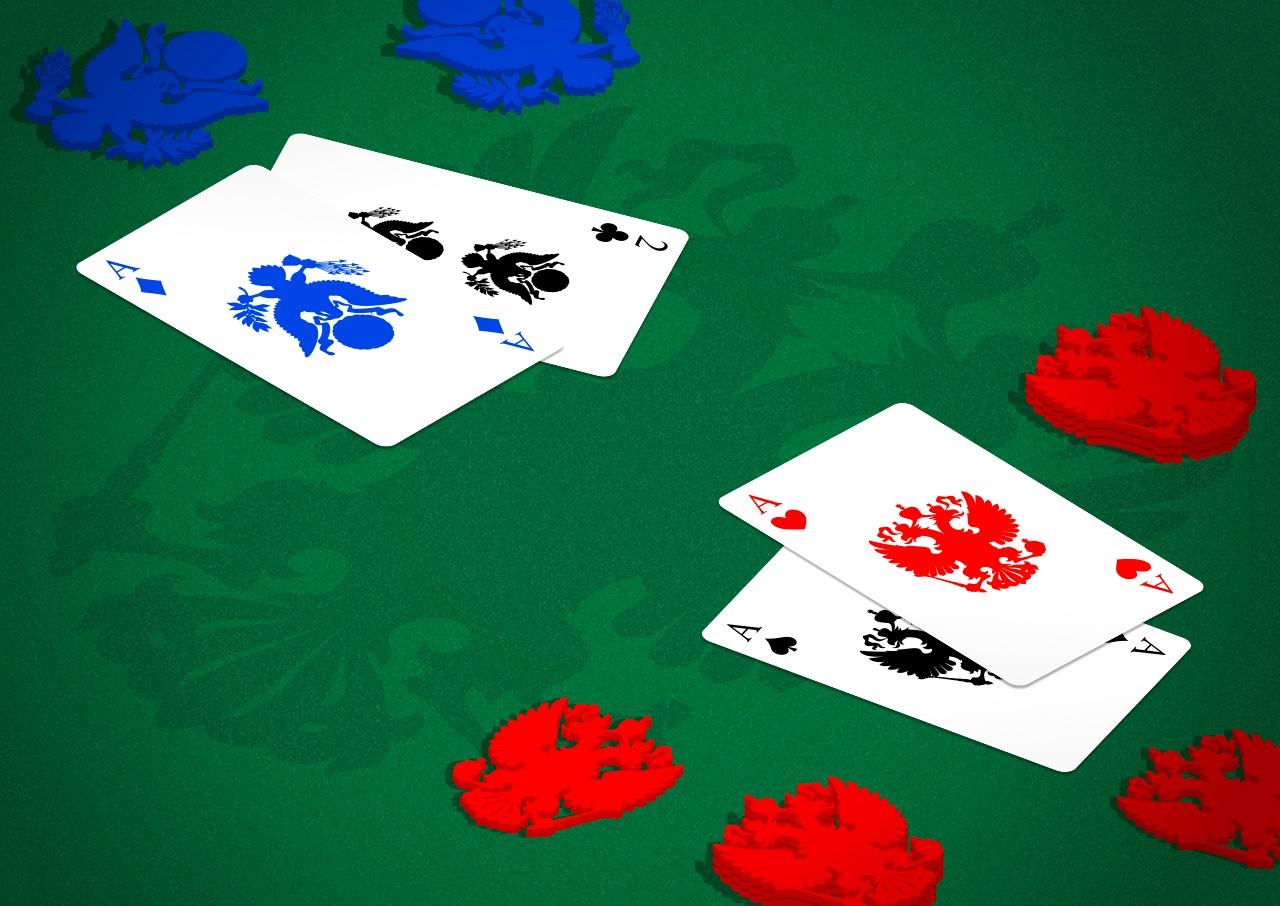
The Trump administration’s first year of Russia–Ukraine diplomacy has been driven by one underlying assumption: that the Kremlin would prefer the conflict ended. Yet Russia’s recent military budgets, political signalling, and strategic behaviour point in the opposite direction.
By Akim Kalatur — Ukraine Correspondent
Edited/Reviewed by: Francesco Bernabeu Fornara
January 7, 2026 | 11:00
While Washington has prioritised pressuring Ukraine into territorial and geopolitical concessions, Moscow has continued to prepare for a prolonged war. This stick for Ukraine and carrot for Russia risks weakening US leverage itself in negotiations, as the Kremlin may use it to consolidate Russian gains under a veil of wanting a ceasefire. If the approach persists, it risks normalising aggression as a method of reward and further undermining American credibility in an increasingly distressed Eastern Europe and across NATO.
Since Donald Trump assumed office in January 2025, his renewed approach to the Russia–Ukraine war has been guided by a central assumption: that Moscow ultimately seeks a negotiated peace and that a diplomatic settlement can bring the war to an end. Yet developments across Eastern Europe point to an escalating regional militarisation and an increasingly high-threat environment that hits at the premise of Washington’s policy.
Neighbouring states such as Poland and the Baltic countries are now the champions of NATO in defence spending as a share of GDP, hundred billion euro policies not for no reason—and not simply to flatter Trump. At the same time, Russia’s most recent military budget for 2026 confirms the continuation of wartime fiscal priorities. Taken together, the efficiency of Trump’s strategy of Russian appeasement is on shaky ground. It suggests that the Trump administration’s first year of foreign policy toward Russia was founded on a fundamental misjudgement of Moscow’s strategic motives and the broader security environment of the region.
Trump’s “Peace Despite Everything” Strategy
The Trump administration’s current approach to ending the war may best be described as “peace despite everything”. In its pursuit of a deal, Trump and his European entourage of envoys and officials have concentrated their policy on pressuring the weaker party—Ukraine—rather than the aggressor. Kyiv has been urged to accept both territorial concessions, namely in Ukraine’s eastern Donbas, and geopolitical ones, including abandoning NATO membership aspirations and capping its future army size.
Ukraine’s room for manoeuvre is limited. The United States remains the primary external supporter of Ukraine’s defence sector, giving Washington considerable leverage. This has been reinforced by diplomatic and media pressure, including public criticism of President Volodymyr Zelenskyy’s reluctance to make concessions and calls from Trump himself for the Ukrainian presidential elections.
Despite taking up an increasing portion of the burden, European allies have proven unable to compensate for a potential reduction in US support. Disagreements over the use of frozen Russian assets—with particular opposition from Italy, Hungary, and Belgium—have stalled decisive action. The mindset of keeping Ukraine alive rather than of winning seems to be prevailing. Europe’s military capabilities, moreover, remain insufficient to sustain Ukraine independently—at least as of now.
While concessions will undoubtedly be on the table if a deal is to be reached, Trump’s appeasement-like strategy is set on an underlying presumption of good-faith intentions. Yet, Kremlin behaviours are signalling otherwise.
Russian Signals: Preparation for Prolonged War
Russian policy choices point not towards de-escalation but towards sustained confrontation. On 1 December, President Vladimir Putin signed the federal budget for 2026–2028, allocating a record share of resources to defence and security. Nearly 38 per cent of federal spending—around 6 per cent of GDP—is now directed towards military and security sectors. It exemplifies a budget made for an economy built on the shoulders of ever more government wartime funding of tank factories, troop salaries, and the sort.
Mounting economic costs seem not to dissuade the Kremlin. Inflation is estimated at around 20%, while the Ministry of Finance has projected a 50% drop in oil and gas revenues by 2026. For the first time since 2022, Russia has begun selling gold reserves to cover budget deficits. Civilian sectors are bearing the burden: social welfare spending is set to decrease by 16%. The regime seems intent on sacrificing domestic stability where military objectives demand it.
Official rhetoric reinforces the picture. Putin has escalated westward threats, stating Russia is “ready right now” for a potential conflict with Europe. Far from signalling restraint, Putin is steadfast in his confidence, endurance, and a readiness to escalate beyond Ukraine if deemed necessary.
Empirically, it’s clear: Russia is structurally preparing to continue the war, even at high economic cost. This reality stands in stark contrast to the assumptions underpinning US-led peace efforts.
Washington’s Diplomatic Miscalculation
The Trump administration’s first year of diplomacy towards the Russia–Ukraine war appears to be built on a fundamental miscalculation of Russian intentions. By projecting Western conceptions of conflict termination onto Moscow, Washington has misread negotiations as a pathway to peace rather than as a strategic tool for Russia’s prolongation of the war itself.
From the Kremlin’s perspective, negotiations offer an opportunity to consolidate territorial gains, secure sanctions relief, and buy time for further military preparation. Russia is in it for the long haul. The United States’ asymmetrical application of pressure—coercive rhetoric towards Ukraine combined with incentives and implicit concessions for Russia—has weakened, rather than strengthened, its bargaining position. It is a position, moreover, destined towards being a neutral actor, despite being NATO’s backbone.
Treating Ukraine with the stick while offering Russia the carrot sends a clear signal: sustained military aggression can yield diplomatic rewards. It risks reinforcing Moscow’s belief that escalation, not compromise, is the most effective strategy.
The broader consequences are significant. By appearing to reward aggression, Washington undermines its credibility in Eastern Europe and across NATO. Publicly pressuring the victim while accommodating the aggressor risks further destabilising the region and lowering the perceived costs of expansionist behaviour. A transactionalism, irrespective of the principles of territorial sovereignty or the rules-based international order. Under current conditions, US policy risks not ending the war, but entrenching Russian gains and normalising force as a tool of revisionism.
Disclaimer: While Euro Prospects encourages open and free discourse, the opinions expressed in this article are those of the author(s) and do not necessarily reflect the official policy or views of Euro Prospects or its editorial board.
Write and publish your own article on Euro Prospects
Subscribe to our newsletter – stay informed when we publish articles on pressing European affairs.